The case for Pathway
A lifelike 3D model to explain each procedure in clinic, the same model online to go over at home, and one library for common interventional radiology procedures.
Version 0.5 · 14 October 2026 · Draft for discussion, prepared by the Pathway team
In one page
- What it is
- Plain-language guides to interventional radiology procedures, each built around a lifelike 3D model: shown in clinic, gone over at home.
- What we are asking for
- Time from the interventional radiology team to review the guides.
- Approval to use the hospital’s name and to run a pilot in clinic.
- A hospital-approved web address, so QR codes can be printed.
- A named clinical lead and technical lead for after the pilot.
- Short videos of a doctor explaining each procedure with the model.
- What it costs the health authority
- Clinician time to review each guide, and a web address. No software licences, no database and no patient data. Hosting plain web pages costs little; printing models for clinic and ongoing upkeep would be costed as part of the pilot. What is known so far is under What it takes.
- Not done yet
- Clinical review of every guide.
- 3D models for the last 3 procedures (6 of 9 are built).
- Infection control sign-off for shared printed models.
- Confirming the licence terms of the open anatomy data the models are built from.
- A privacy impact assessment and a security threat and risk assessment with the health authority’s privacy and security offices.
- Review by patient partners.
- A cultural safety review with the health authority’s Indigenous health team.
- English only for now. A certified medical translation can be added per guide, with its own clinical check.
- Contact
- Jodh Gill, project lead. Project email: added before launch
27 of 45
studies in a 2025 review found a 3D printed model improved at least one measure of patient education
9 of 9
patient guides drafted and fact-checked against their sources, waiting for clinical review
6 of 9
lifelike 3D models built so far, each one in its guide
0
software licences or patient data needed. No accounts, cookies or tracking
The problem
Interventional radiology procedures are hard to picture. A catheter travels through blood vessels most people have never thought about, to a place they cannot see, to do something they have never heard of.
The explanation usually happens in a short consult, often with a drawing or a scan. Then the patient goes home, and whatever they find online has no connection to what they were shown. Many people decide on a procedure without a clear picture of what it is, how it is done, or where the risks come from.
What Pathway is
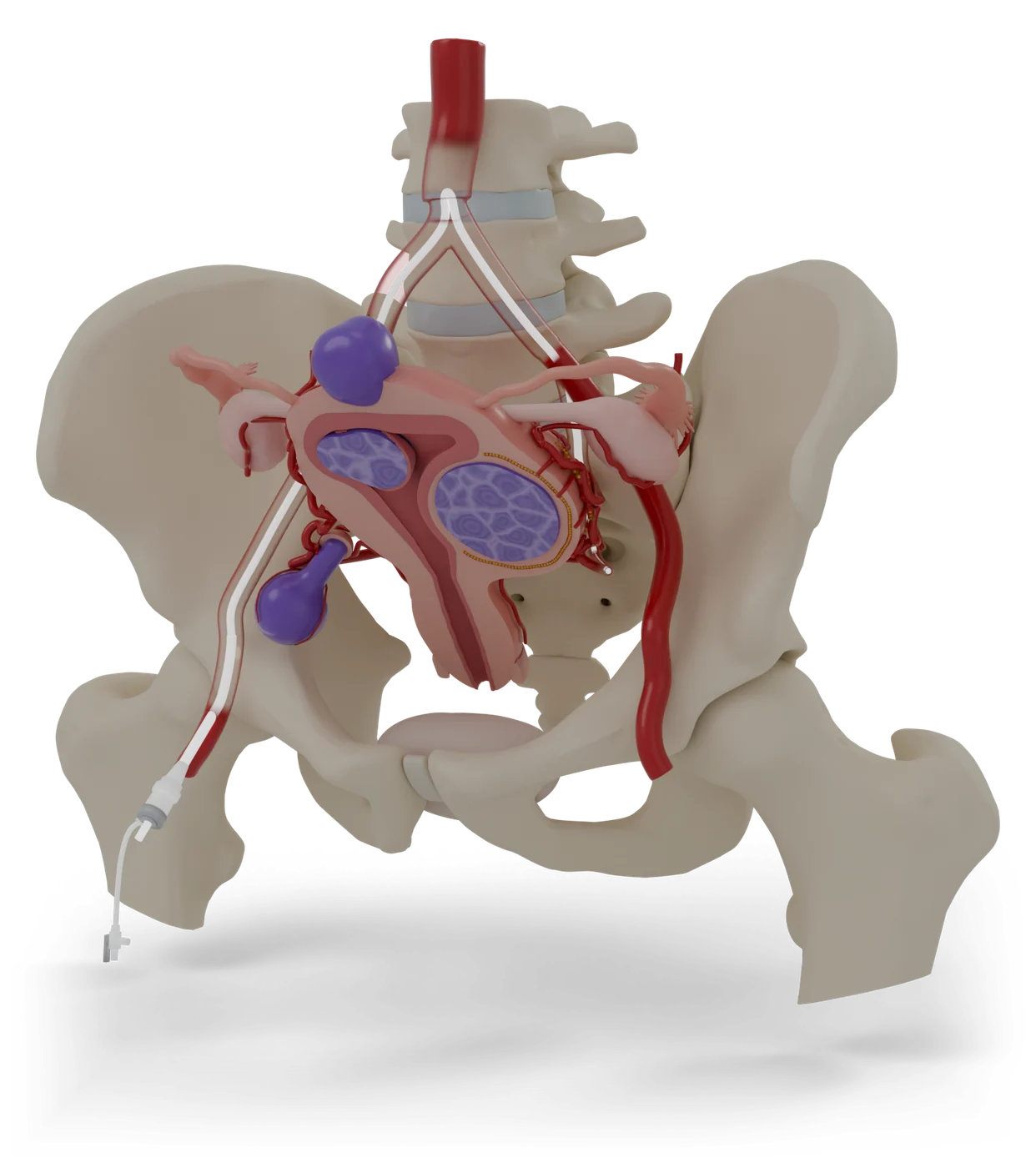
A lifelike model for each procedure
Built from open anatomical data and designed around what a physician needs to show in a few minutes: where the problem is, the way in, what the procedure changes, and where the risks come from. An earlier version of the first, for uterine fibroid embolization, has been printed as a 23-part prototype; the others will be printed next.
The same model online
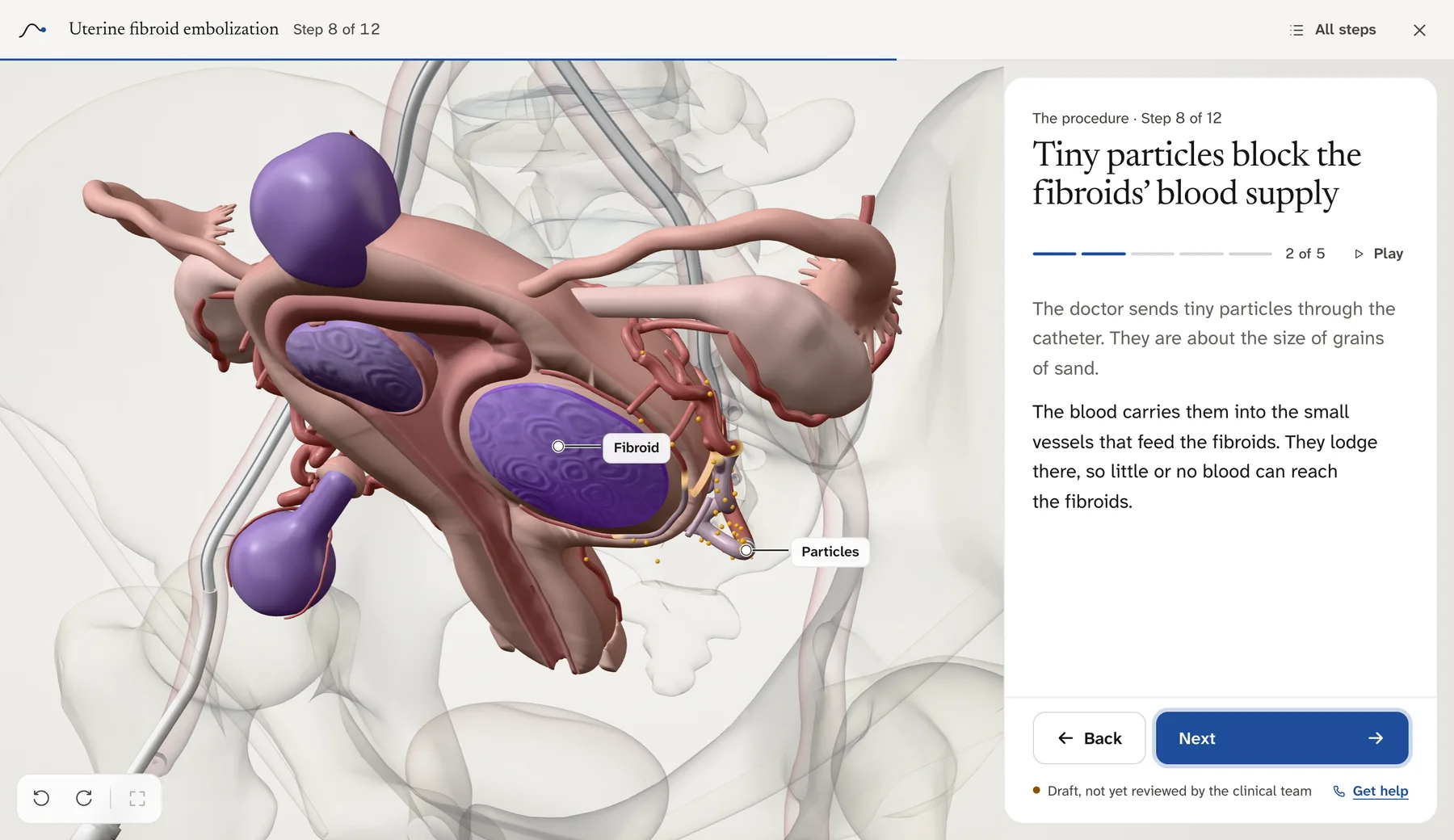
A guide in plain language on the same model. The patient steps through it at home in about a dozen short steps, then reads what to expect before, on the day and after, the benefits and risks, other options and the questions to bring.
One library
Every procedure follows the same template: a model, a guide, a review. The library covers 9 procedures today, from fibroid embolization to PICC lines.
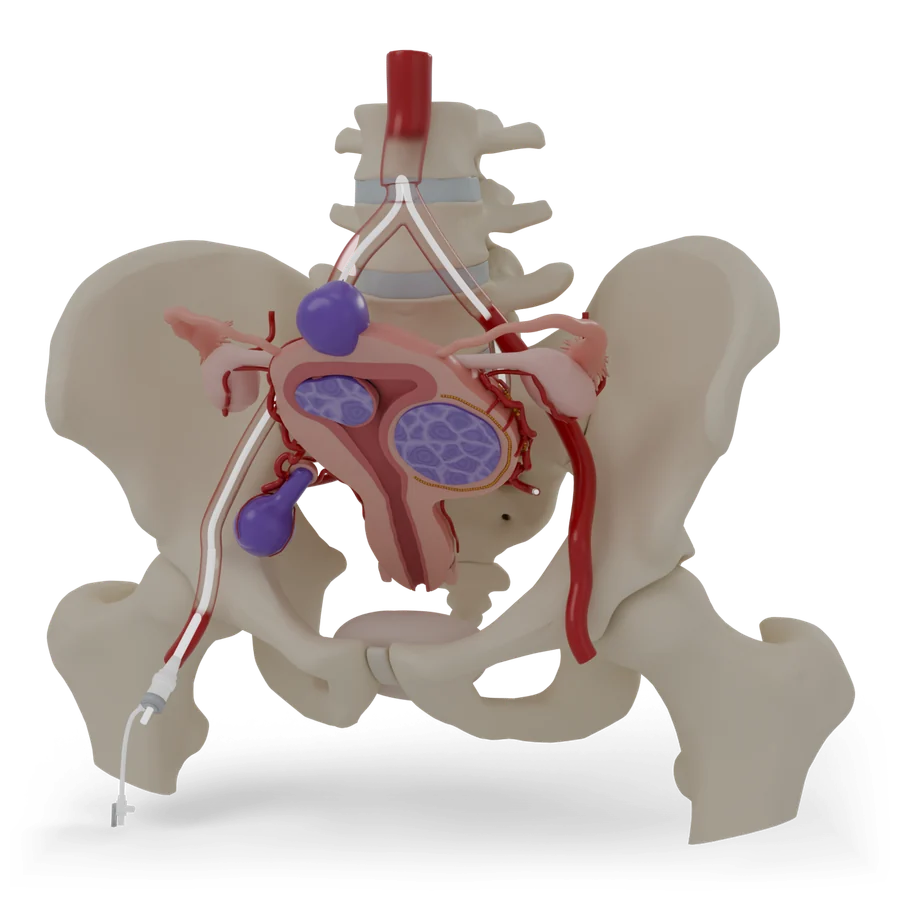 P-001Uterine fibroid embolization
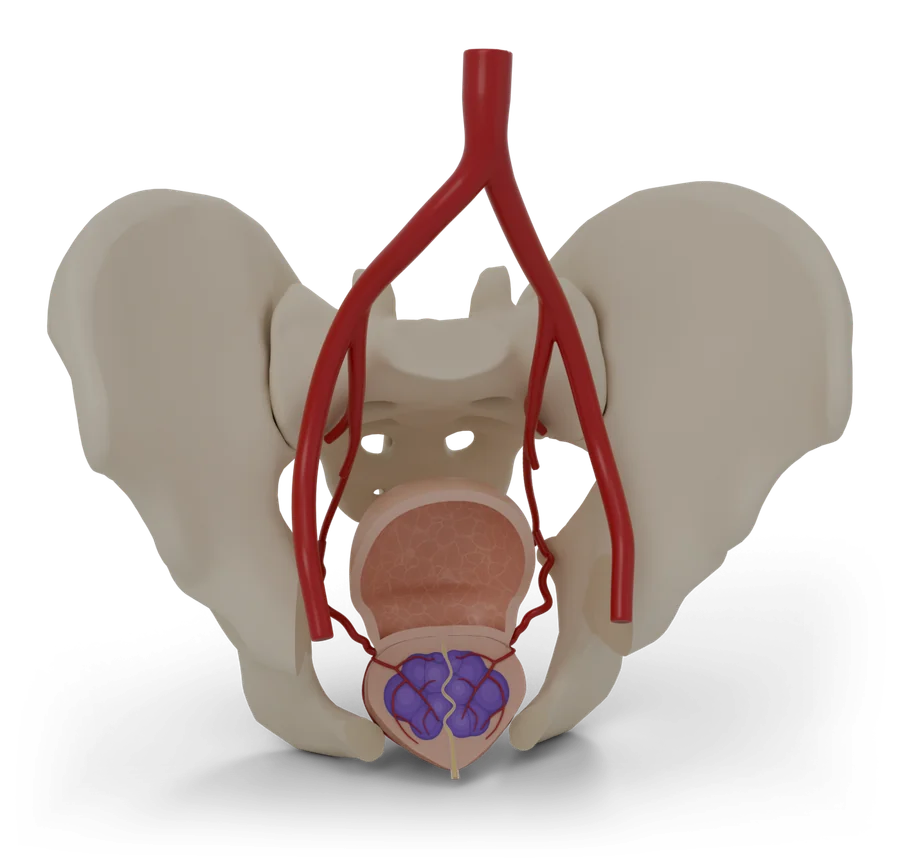 P-002Prostate artery embolization
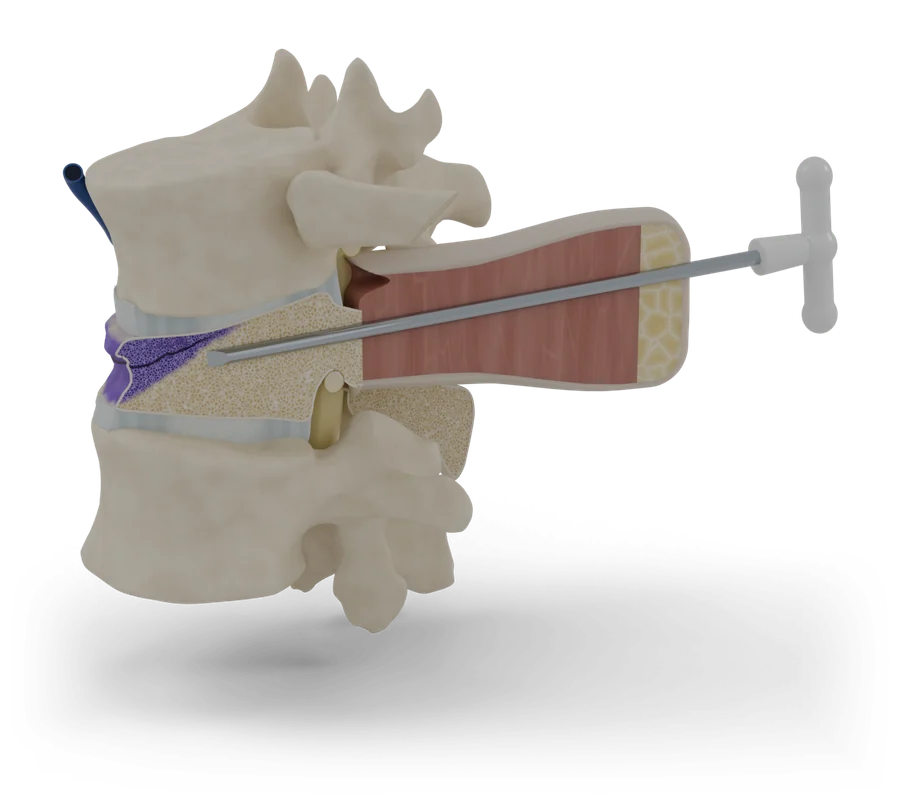 P-003Vertebroplasty and kyphoplasty
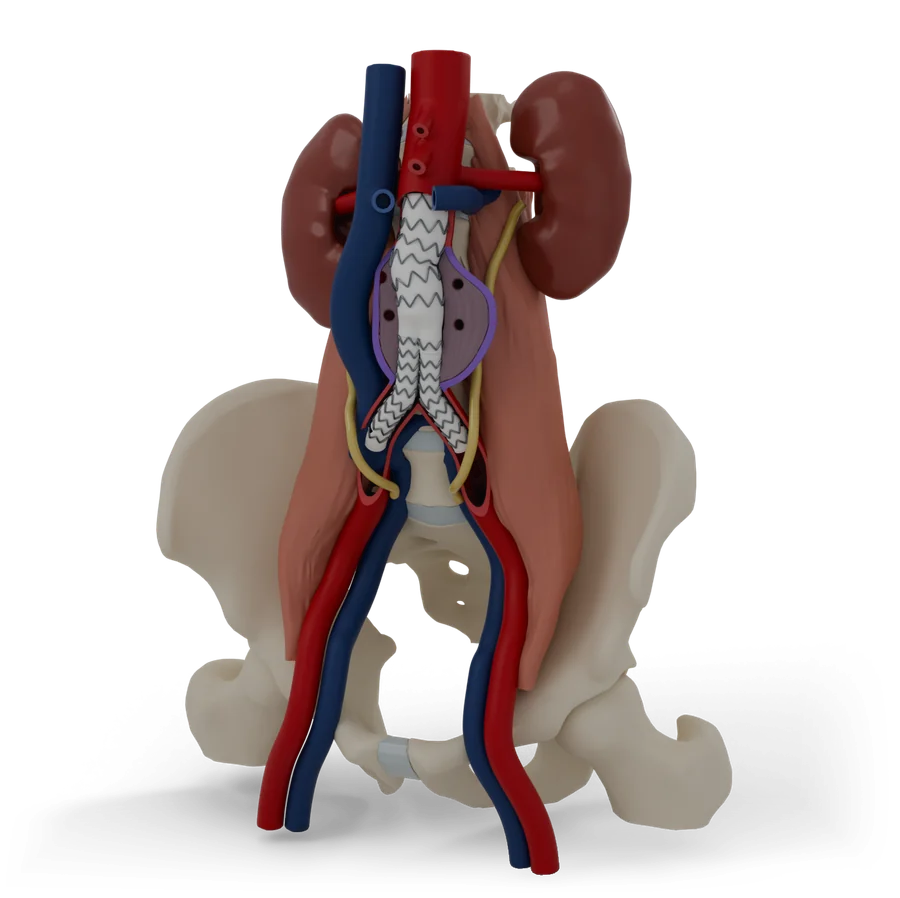 P-004Endovascular aneurysm repair
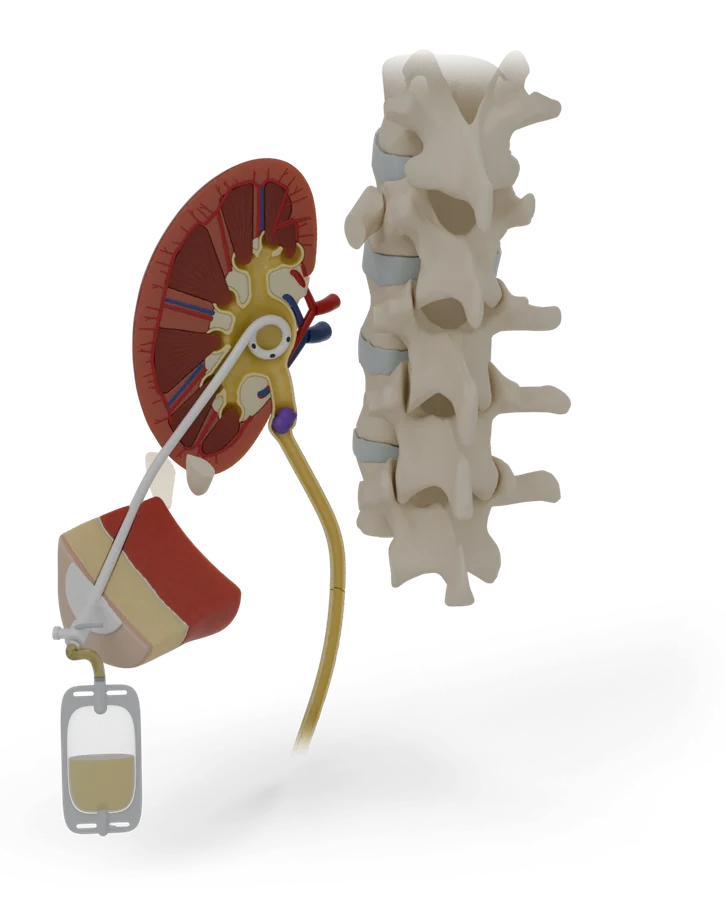 P-005Nephrostomy tube
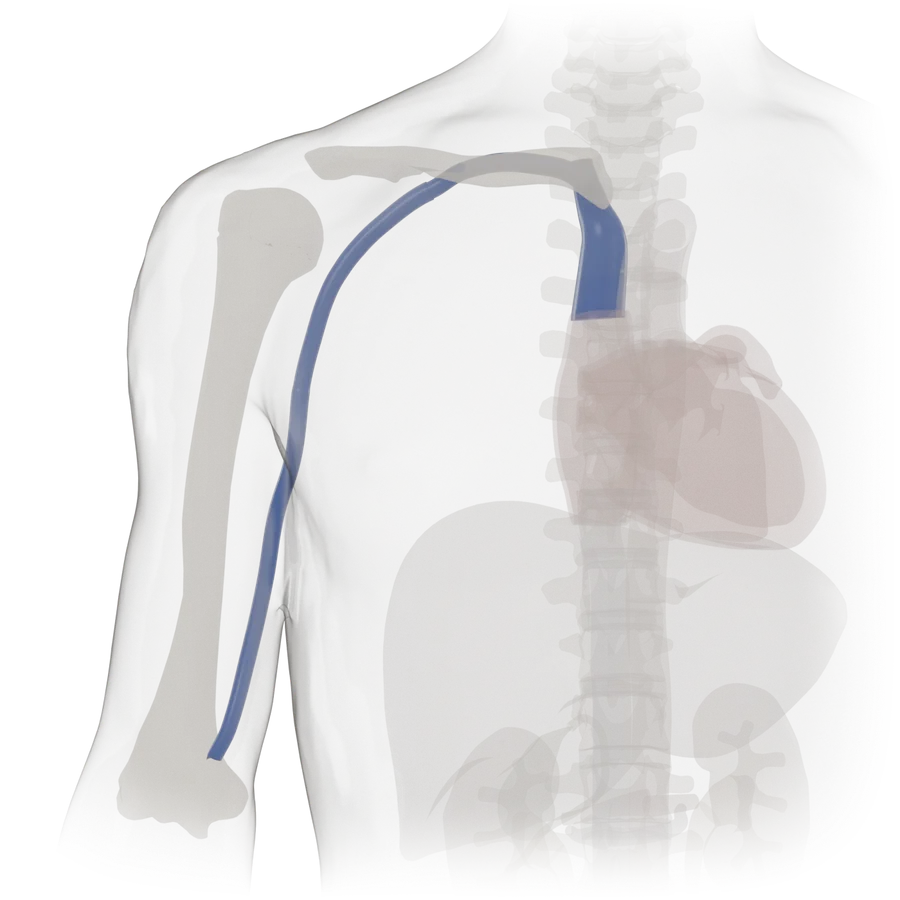 P-006PICC line3D model in progress
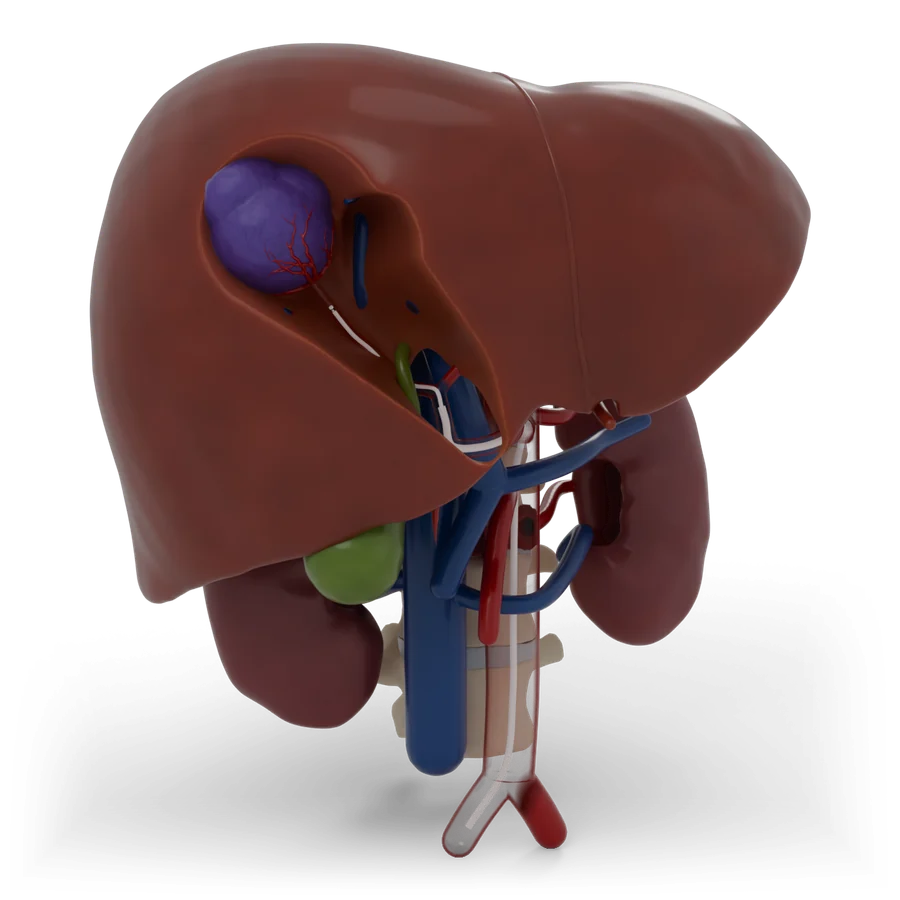 P-007Chemoembolization of the liver
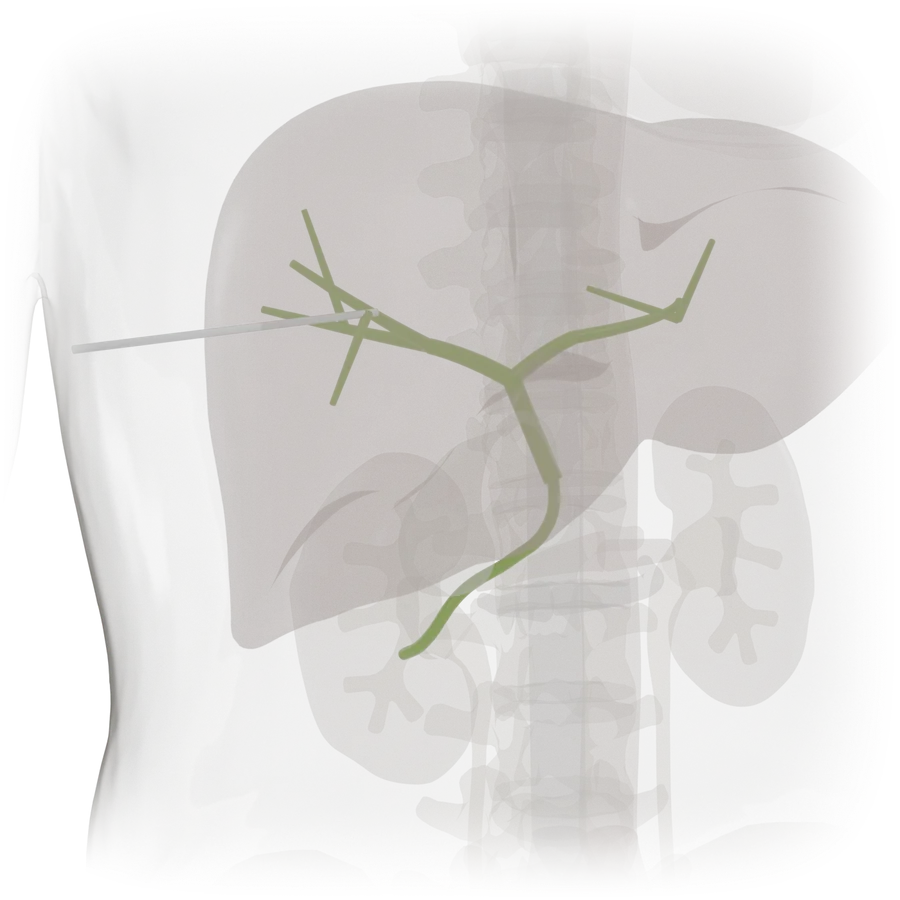 P-008Biliary drain3D model in progress
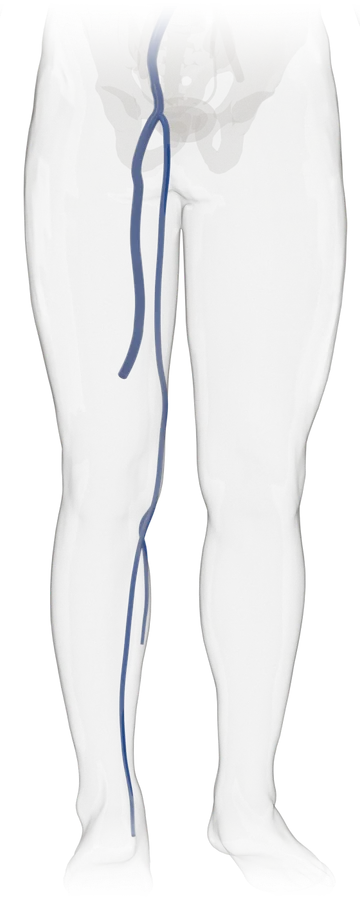 P-009Varicose vein treatment3D model in progress
The evidence
Printed models for patient education are well studied. Reusable, generic models for interventional radiology, paired with matching material for home, are not. We found no published equivalent of Pathway; a formal literature search would confirm this.
In a 2025 review of 45 studies, 27 found that a 3D printed model significantly improved at least one part of patient education. Of the 41 that measured understanding of the condition, 26 found a significant improvement.
Most of that work used models printed for one patient and was in urology, orthopaedics and neurosurgery. Only 11 of the 45 studies used generic models, the kind that can be reused from patient to patient.
A generic (not patient-specific) printed aortic aneurysm model was rated an adequate aid for patient education by physicians including interventional radiologists. After the first, each copy cost about US$24 to make.
Short videos made by an interventional radiologist for six IR procedures improved patients’ understanding in a study of 180 patients, and 46.8% of those who watched reported less anxiety.
Studies vary in size and method, and many are small. That is part of the case for a pilot here: to measure the effect with our own patients.
What it takes
- Material
- The first model used about 300 g of plastic, so one 1 kg spool covers about three models. Models are reused from patient to patient.
- Printing
- The first model printed in about 14 hours on one desktop 3D printer.
- Design
- Done once per procedure, with the physician. Generic models need no patient scans, so there is no patient imaging to handle.
- The website
- A static site with no database and no patient data. It can be hosted on any standard web host or a hospital server.
- Clinical time
- Review of each guide by the IR team before patients use it, and again after any clinical change.
| Item | What we know | Cost |
|---|---|---|
| Software licences | None needed | None |
| Plastic for one model | About 300 g. One 1 kg spool makes about three models | Estimate to confirm |
| Printer time for one model | About 14 hours on one desktop 3D printer | Estimate to confirm |
| Hosting the website | Plain web pages, with no database | Estimate to confirm |
| IR review time for each guide | Before patients use it, and after any clinical change | Estimate to confirm |
| A yearly update day | Proposed: each guide checked at least once a year | Estimate to confirm |
| Accessibility audit | A manual audit is planned | Estimate to confirm |
| Cleaning models between patients | The method needs sign-off from infection prevention and control | Estimate to confirm |
Safety and governance
- Clinical review
- Guides are written from published sources. They are drafted with AI writing tools and fact-checked against their sources by a separate AI check that logs every change. Anything no source covered is listed on the review page for the IR team to decide. The IR team will review and sign off each guide, and nothing will be given to patients before that. Current status: all guides are drafts awaiting review.
- Versions
- Each online model is exported from the files the print will use, so the two will match. The first UFE prototype was printed from an earlier version; the current models will be printed next.
- Anatomy data
- The models are built from Z-Anatomy, an open anatomical atlas shared under a Creative Commons Attribution-ShareAlike licence. The terms of use for hospital materials need to be confirmed before launch.
- Privacy
- The site collects no health information, needs no account and sets no cookies. There are no analytics, and a patient’s ticked questions stay in their own browser. Like any web host, the host may keep standard access logs (IP address, page and time). This preview is hosted outside Canada; for launch it can move to a Canadian or health authority server.
- Accessibility
- Built to WCAG 2.2 AA. Automated checks pass in light and dark. A manual audit is planned. A text-only version of every guide, reduced motion respected, and patient text at about a grade 6 reading level. See the accessibility statement, which also says how to report a barrier.
- Not medical advice
- Guides explain procedures in general and point patients back to their own care team.
- Open question
- Cleaning shared models between patients needs sign-off from infection prevention and control.
A pilot
A proposal to shape together, starting with a few procedures in the interventional radiology clinic.
Review and approval
Clinical review of the pilot guides by the IR team. Approval to use the hospital’s name. Ethics review before any patient data is collected, and infection control sign-off for the models.
Test with patients first
Before a guide is used in clinic, a small group of patients or patient partners reads it on their own phone, tries the 3D guide and does the quiz. What trips them up is fixed first. How many people, and how they are invited, to be agreed with the clinical team.
Use it in clinic
The physician uses the printed model in consults and gives patients the guide’s address or a QR code.
Measure
A short questionnaire on understanding and anxiety before and after the consult, patient satisfaction, and the physician’s view of consult time. Measures to be agreed with the clinical team and ethics.
Decide what’s next
Share the results, then choose the next procedures from the register together.
Keeping it going
Pathway is built so that it does not depend on the people who started it. The question to settle together is who looks after it once the pilot is over.
- Little to run
- The site is a set of plain web pages with no database, accounts or server code, so there is no server to keep running. Upkeep is updating each guide after its clinical review, and keeping the 3D viewer’s code libraries up to date.
- If the 3D viewer is not kept up
- The text version and the printed handout of every guide keep working without it, and the site can be frozen as it is, as plain pages.
- Everything is in files
- The print files, the online model and every word of every guide live in one project. The online model is exported from the print files by a script, and guide text is kept separate from the design, so a physician’s edit is a text change, not a redesign.
- A template for the next one
- Every procedure follows the same written shape: a model, a guide with the same order of steps, a summary and a review. A new procedure is a new model and new text, with no new design work.
- Printing is simple
- The models print on a common desktop printer from files that are already prepared. Anyone who can run a desktop printer can reprint a worn or lost part.
- Review has a rhythm
- We propose each guide has a named clinical owner and a review date, checked at least once a year and after any change in practice. A guide past its review date would say so on the page.
- Your brand
- Once approved, the site can carry the health authority’s name and look. Its colours and type are set in one shared file, so this is a small change, not a redesign. Before launch, the name Pathway would be checked against other health tools with a similar name.
- Linking and embedding
- Guides can be linked from the health authority’s website or patient portal. For safety, other sites cannot show Pathway inside their own pages today. That can be allowed for the health authority’s own web addresses only.
- A handover, not a hand-off
- We propose the hospital owns the files and the web address, with a named clinical lead and technical lead in the health authority, and a written handover. The project already includes written notes for whoever picks it up.
What we are asking for
Clinical review
Time from the interventional radiology team to review and sign off the guides, starting with the pilot procedures.
Approval
To use the hospital’s name, and to run a pilot in the clinic.
A home for the site
A hospital-approved address, so QR codes can be printed.
Long-term owners
A named clinical lead and technical lead to look after Pathway after the pilot.
Short videos
A doctor explaining each procedure with the model, to open each guide. Each video would come with captions, a transcript on the page, and a script that says aloud what is shown on the model.
Questions about Pathway: Jodh Gill, project lead. Project email: added before launch